How Long Does a Fence Last in South Texas?
A fence is one of those things you don't think about until it starts leaning. Then the question comes fast: should I fix it or replace it, and how long should a fence last anyway?
In South Texas, the answer depends heavily on the material and on how the fence was built. Heat, humidity, storms, clay soil and termites all work on a fence every day. Some fences shrug it off for decades. Others start failing in a few years.
Here's what to expect from the most common fence types around Edinburg, what shortens their life, and what you can do to get more years out of yours.
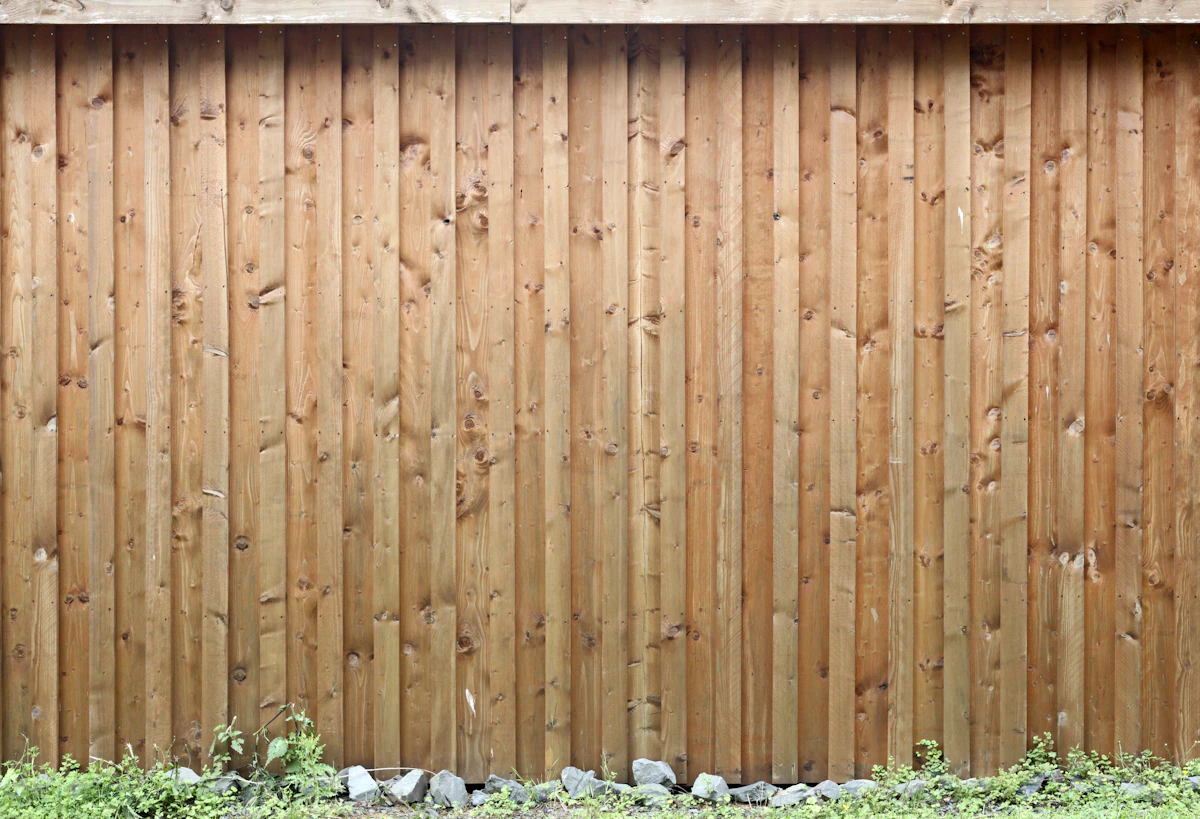
Wood privacy fences
Typical life: about 10 to 20 years, depending on wood type, posts and upkeep.
Wood is the most common backyard fence in the Valley, and it varies the most in how long it lasts.
- Pressure-treated pine on wood posts, never sealed: often needs major repairs in under ten years. The posts usually go first.
- Cedar or sealed pine on wood posts: often 12 to 15 years.
- Cedar or sealed pine on galvanized steel posts: can last 15 to 20 years or more, since the posts no longer rot.
What wears wood out
- Sun and heat dry the boards, causing graying, cracking and warping.
- Moisture at the ground rots the bottom of posts and boards, especially where sprinklers hit every day.
- Termites eat wood posts from the ground up.
- Storm wind pushes on the solid surface and loosens posts over time.
How to stretch it
Seal or stain every two to three years. Keep sprinklers and plants away from the bottom of the fence. Replace failing posts with steel posts as they go. Tighten loose boards before storm season.
Steel and iron fences
Typical life: 20 years or more with a good coating, often much longer.
Metal fences don't rot or attract termites, and because they're open, wind passes through them. Their enemy is rust, which the Valley's humid air speeds up.
- Painted bare steel: rust can start at welds and the bottom rail within a few seasons if not maintained.
- Powder-coated or galvanized steel: often lasts decades with occasional touch-ups.
- Aluminum: can't rust and lasts a very long time, though it dents more easily.
How to stretch it
Touch up chips and scratches as soon as you see them. Rinse off dust and fertilizer spray a couple of times a year. Keep sprinklers off the bottom rail. Check gate hinges and latches once a year.
Chain link fences
Typical life: 15 to 20 years or more.
Chain link is the low-maintenance champion. Galvanized and vinyl-coated mesh resist rust, termites can't touch it and wind blows straight through.
What wears it out
- Thin-gauge wire can sag or bend from dogs, kids and debris.
- Privacy slats catch wind and stress the posts.
- Gates take the most wear, with hinges and latches loosening over time.
How to stretch it
Re-tension sagging mesh, tighten fittings and lubricate gate hinges. If you use slats, check posts after big storms.
Ranch, pipe and wire fences
Typical life: varies widely. Well-built pipe fence can last many decades. Barbed and field wire often last 15 to 25 years before needing major work.
On acreage north of Edinburg, ranch fence deals with livestock pushing on it, brush growing through it and long runs exposed to wind.
What wears it out
- Livestock leaning and rubbing on wire
- Mesquite and brush growing into the fence line
- Wet low spots that rot or loosen posts
- Rust on wire where the coating has worn
How to stretch it
Ride or walk the fence line a few times a year. Keep brush cleared, re-tighten wire, replace broken staples and clips and fix corners and braces first, since they hold the whole line.
The part that fails first: posts
No matter the material, posts are usually the first thing to go. A fence is only as strong as what's holding it up. Signs of post trouble:
- A section leans or moves when you push it
- Wood is soft or dark right at the ground
- Concrete footings are cracked or tipped
- Metal posts show rust at the base
Replacing a few failing posts early, ideally with galvanized steel, can add years to a fence that's otherwise in good shape. Our fence repair page explains when a repair makes sense.
Repair or replace?
A rough rule of thumb:
- Repair when the problems are limited to a few posts, some boards or the gate.
- Replace when most posts are failing, the fence leans along its length, or repair costs approach half the price of a new fence.
If you're replacing, it's a good moment to upgrade: steel posts, board-on-board construction for privacy or a powder-coated steel fence out front.
Summary table
| Fence type | Typical life in South Texas | Biggest threat |
|---|---|---|
| Pine privacy, wood posts | 7–12 years | Rotted posts, termites |
| Cedar privacy, steel posts, sealed | 15–20+ years | Sun drying the boards |
| Powder-coated steel | 20+ years | Rust at chips and welds |
| Chain link | 15–20+ years | Sagging mesh, gate wear |
| Pipe fence | Decades | Rust if uncoated |
| Barbed or field wire | 15–25 years | Livestock, brush, rust |
These ranges are general. How a fence is built and cared for matters as much as the material.
Get a straight answer about your fence
If your fence is starting to lean, sag or rot, tell us what you're seeing and we'll connect you with a local Edinburg builder who can tell you honestly whether to repair it or replace it. Thinking about a new fence? Compare options on our privacy fence and steel and iron fence pages.