Fencing Acreage Near Edinburg: A Practical Guide
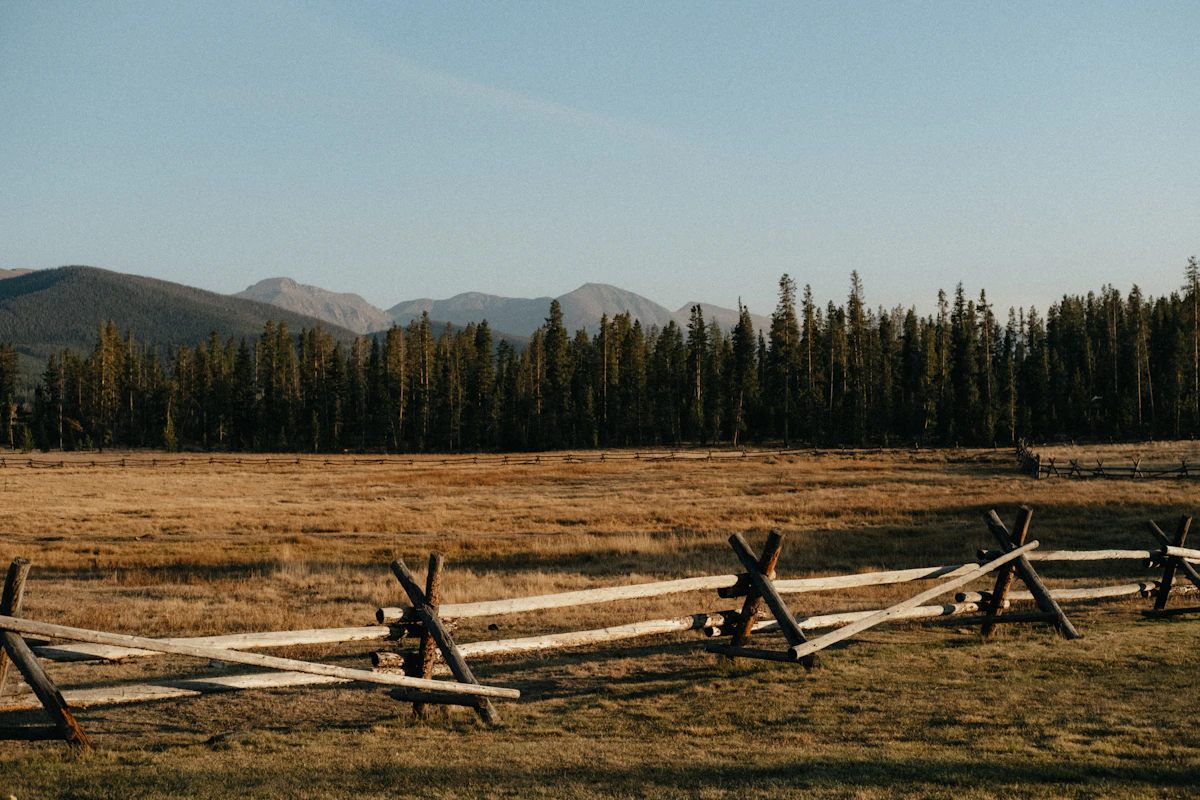
Fencing a few acres is a different job from fencing a backyard. The distances are longer, the ground is rougher, and the fence often has to hold animals, mark property lines and stand up to wind across open land, all at a price that makes sense per foot.
As more people buy rural lots north and east of Edinburg, we hear a lot of the same questions. This guide covers how to plan a fence for acreage, which fence types fit which jobs, and where the money goes.
Start with what the fence needs to do
Before you think about materials, write down what the fence is for. The answer changes everything.
- Marking the property line only? A simple barbed or field wire fence may be all you need.
- Holding cattle? Barbed wire or pipe and cable fencing are common choices.
- Holding horses? You'll want no-climb wire, pipe rails or a combination. Barbed wire isn't safe for horses.
- Holding goats or sheep? Tight woven field wire is the standard, since goats test every gap.
- Keeping dogs in and coyotes out? Woven wire with a tight bottom and no gaps works best.
- Making a good first impression from the road? Pipe fence along the frontage and at the entry looks sharp and lasts for decades.
Most rural properties need more than one of these, which leads to the most useful idea in this guide.
Mix fence types on the same property
There's rarely a reason to use one kind of fence for every foot of a big tract. A common and cost-effective layout looks like this:
- Pipe fence along the road and at the entry gate, where it's seen most
- Wood privacy or steel around the house yard
- Field wire or barbed wire along the back and sides
- Cross fencing inside to split pasture or separate animals
This approach puts your money where it matters and keeps the overall cost per foot down. Ask your builder to quote a mixed layout alongside a single-material option so you can compare.
Fence types for acreage
Pipe fence
Steel pipe posts with welded pipe rails. It's the strongest and longest-lasting option and the most expensive per foot. It usually gets painted or powder-coated. Good for frontage, entries, pens and horse areas.
Pipe and cable
Pipe posts with tensioned steel cable instead of pipe rails. Lower cost than full pipe fence while still very strong. Common for pens and cattle pasture.
Woven field wire
A grid of wire, tighter near the bottom, stretched between posts. Works for goats, sheep, dogs and mixed livestock. Often topped with a strand of barbed wire or a rail.
No-climb horse fence
A tightly woven wire that horses can't get a hoof through, usually with a top rail so horses can see the fence line. One of the safest choices for horses.
Barbed wire
The lowest cost per foot for large areas. Standard for cattle. Not recommended for horses or areas where kids play.
Planning the fence line
Get a survey
On rural land, old fence lines often aren't on the true property line. Before building, have a surveyor mark the corners. It costs money up front, but it prevents disputes and the cost of moving a fence later.
Walk the whole line
Look for low spots that hold water after storms, ditches, brush, mesquite and anything that will slow down digging. A good builder will walk or drive the line with you before quoting.
Plan your gates
Gates are easy to under-plan. Think about every place you'll need to get through with a truck, trailer, tractor or mower. Field gates are commonly 12 to 16 feet wide for equipment. Put gates where you'll actually use them, not where it's easiest to install them.
Think about corners and braces
Corners and gate posts carry the tension of the whole fence line. They need heavier posts and solid bracing. If a corner fails, the whole run goes slack. This isn't the place to cut costs.
Clearing the line
Mesquite and brush grow fast along old fence lines. If the line needs clearing before the fence goes in, it adds time and cost. Some fence builders clear brush as part of the job, and some bring in a separate crew. Ask up front.
Wind, water and soil
Open land around Edinburg means fences catch the full force of storm gusts, especially during hurricane season from June through November. Wire fences let wind through, which helps. Solid fences near the house need deeper posts and solid footings.
Low areas that flood after heavy rain can loosen posts and rust wire faster. Clay soil in parts of Hidalgo County swells when wet and shrinks when dry, which can work posts loose over time. Deeper posts and concrete at corners and gates help.
Where the money goes
On acreage, the biggest cost drivers are:
- Total length. Every foot counts on long runs.
- Fence type. Pipe costs the most per foot, barbed wire the least.
- Corners, braces and gates. Each one adds materials and labor.
- Clearing. Brush removal can add up quickly.
- Access and terrain. Wet ground, ditches and rough terrain slow the work.
Ask for quotes broken down by section and fence type. It makes it much easier to adjust the plan to your budget.
Upkeep on a ranch fence
Walk or drive the fence line a few times a year, and always after big storms. Check corners first. Re-tighten slack wire, replace broken clips and staples, clear brush before it grows into the fence and fix any damaged posts quickly. Animals find weak spots fast.
Get a quote for your land
We connect landowners north and east of Edinburg with fence builders who put up ranch and pipe fence, field wire and barbed wire every week. Tell us about your property, including the acreage and any livestock, and a local builder will reach out with a free quote. Want to know what to ask them? Read our questions to ask before you hire a fence builder.